Expert Insights: Upkeeping Caterpillar Excavating Components for Durability
CAT diggers are famous for their robustness and performance on job sites around the globe. However, the lifespan of these powerful machines greatly depends on the maintenance and upkeep of their parts. Putting effort in proper service not only boosts the functionality of your equipment but also significantly extends its lifespan. Recognizing the specific needs of Caterpillar parts is vital for users and service technicians who aim to keep their diggers operating efficiently.
In this article, we explore specialist insights into maintaining Caterpillar machine parts for optimal durability. We will cover essential maintenance practices, point out important features to focus on, and share advice for safeguarding your equipment. By adopting these guidelines, you can ensure that your Caterpillar components remain in great condition, enabling your digger to perform at its optimum for a long time to come.
Grasping Cat Digger Parts
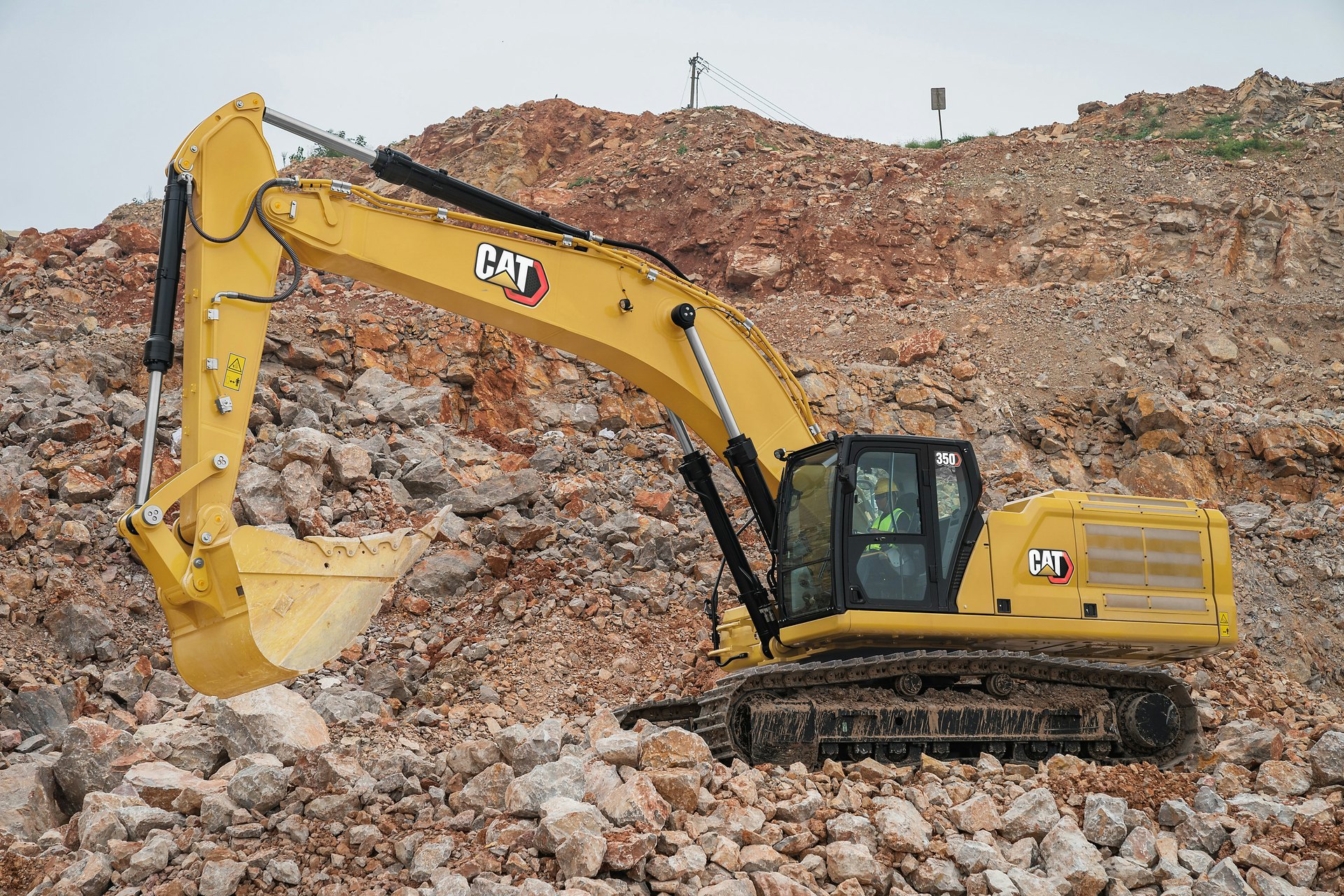
Caterpillar digger machines are well-known for their robustness and performance, because of the premium components that make up these machines. Each part contributes to the overall operation and efficiency, guaranteeing that operators can handle multiple tasks ranging from excavating to hoisting heavy loads. Knowing the various Cat parts is vital for any building professional, as it allows for improved maintenance and enhancement of the machinery.
Essential parts of Cat excavators include the hydraulic system, engine, track assembly, and addons. The hydraulic system is vital for the machine's operation, supplying the required power to raise and move heavy materials. The engine, often regarded as the heart of the digger, must be properly serviced to ensure peak performance. The track assembly, which supports the digger's weight and enables mobility, is also vital for maintaining balance on various job locations.
In furthermore to these major parts, excavators are equipped with numerous minor parts, such as screen filters, tubes, and seals, which play a significant role in the overall functionality of the unit. Regular checkup and servicing of these components are crucial for avoiding unexpected breakdowns and lengthening the lifespan of the excavator. By knowing the specific roles and maintenance needs of each component, operators can make sure their units remain in optimal shape for many years.
Best Practices for Maintenance
Regularly checking and washing Caterpillar excavator pieces is essential for securing their longevity. Users should establish a regular plan for inspections that consists of sight checks of important components such as the undercarriage, fluid hoses, and motor. Removing soil, rubbish, and oil helps prevent damage, enabling better performance. Additionally, inspecting for signs of leaks or deterioration can stop minor issues from escalating into greater, expensive repairs.
Lubrication is another important aspect of maintenance that must be considered. Using the appropriate type of lubricant and lubricant according to the manufacturer's specifications is vital for making sure that all parts work seamlessly. Consistently applying lubricant the joints, pivot points, and other interacting surfaces reduces friction and reduces the risk of early wear. Users should monitor any changes in the performance of these parts, as deviations can suggest that lubrication is necessary more often.
Finally, maintaining a journal of service and maintenance activities performed on Cat pieces can substantially benefit operators. Keeping thorough records helps monitor utilization patterns and can reveal recurring issues that may need thorough examination. This documentation also helps in scheduling regular maintenance and makes sure that pieces are changed according to their life span. By maintaining organization and vigilant, operators can successfully extend the lifespan and trustworthiness of their Caterpillar excavators.
Signs of Wear and Replacement Tips
Regularly examining your Caterpillar excavator components for symptoms of wear is essential for preserving its functionality and lifespan. Look out for strange noises, tremors, or drop in efficiency during use, as these could indicate that certain pieces are deteriorating out. Pay close focus to hydraulic pipes, tracks, and bucket blades, as these components often face elevated levels of stress and damage over time. Early detection can avoid more serious harm and costly fixes.
When you see indicators of deterioration, it's important to assess whether the part can be fixed or needs to be substituted. For example, if you observe fractures or excessive damage on the bucket blades, replacing them swiftly can enhance excavation efficiency and protect the bucket itself from further wear. Additionally, check fluid levels and quality; contaminated fluids can indicate that inside parts are deteriorating and may require prompt attention.
To secure the lifespan of your Cat parts , adhere to the manufacturer's instructions for swap intervals. Maintain a record of checks and replacements to log of the health of each part. Using authentic Caterpillar swap components is also recommended, as they are engineered specifically for your tools, providing optimal fit and performance. Always check with your tool dealer or a professional mechanic if you are doubtful about the health of any component.